cdmx may 2026
you’re going to mexico!
we’re so excited to experience mexico city’s picturesque streets and culture with you on an unforgettable girls trip. you’ll receive a confirmation link much like this one every time you complete a payment and before you know it, we’ll be on our way!
mexico city: creative, full, ancient
a bastion of culture in central & latin america, mexico city is most famous for its deeply rooted culinary traditions, excellent, inspiring museums, lush, open public parks, and a flourishing music & arts scene that captivates.
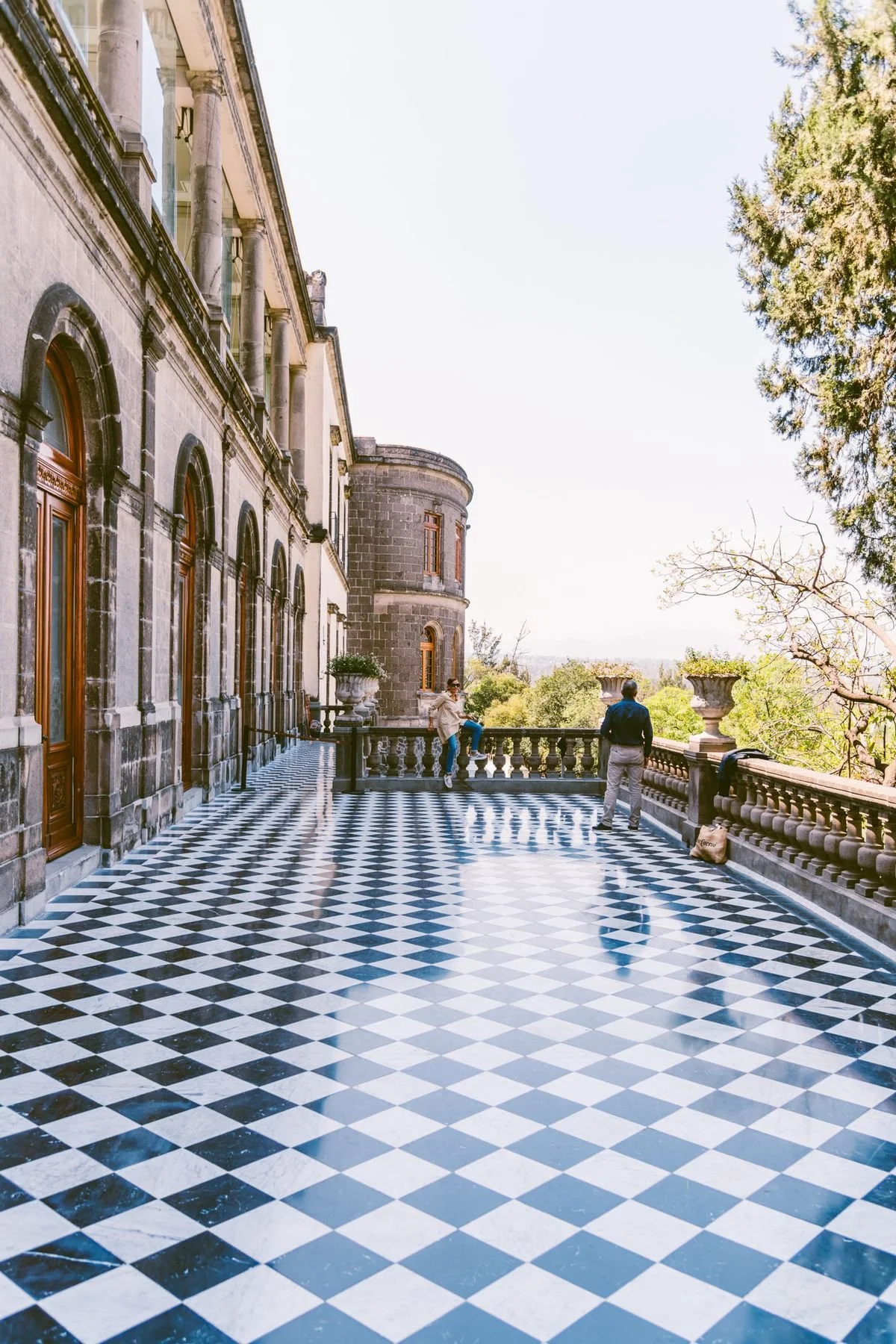
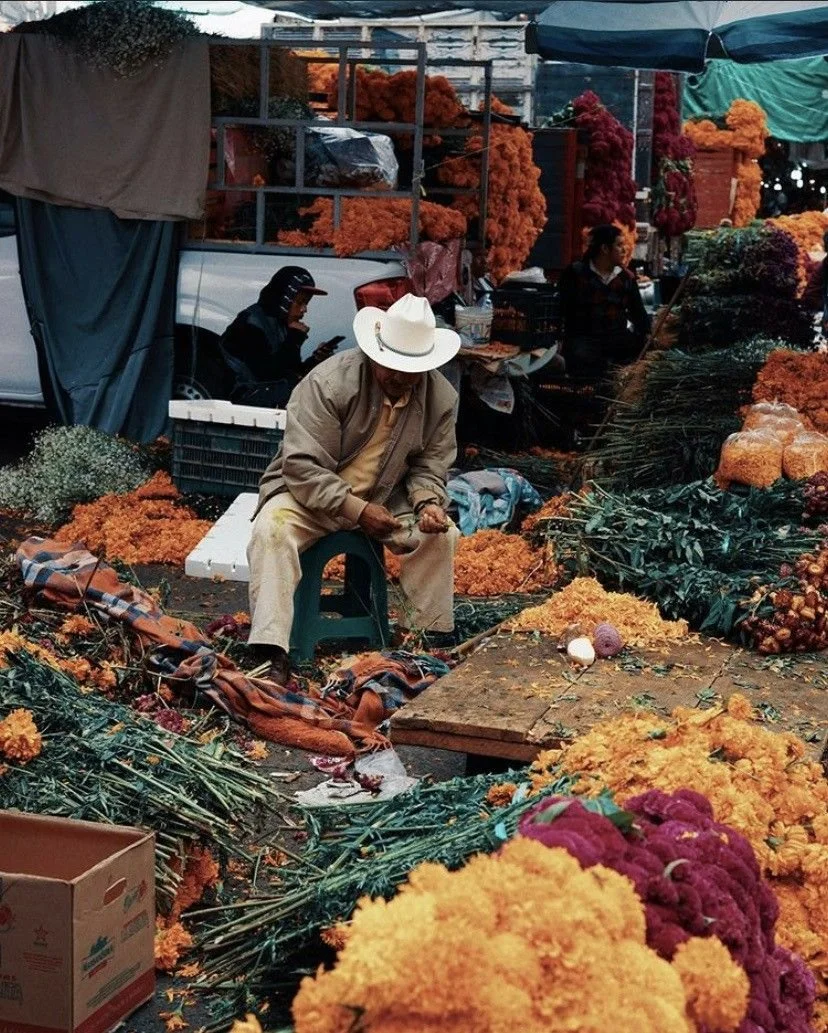
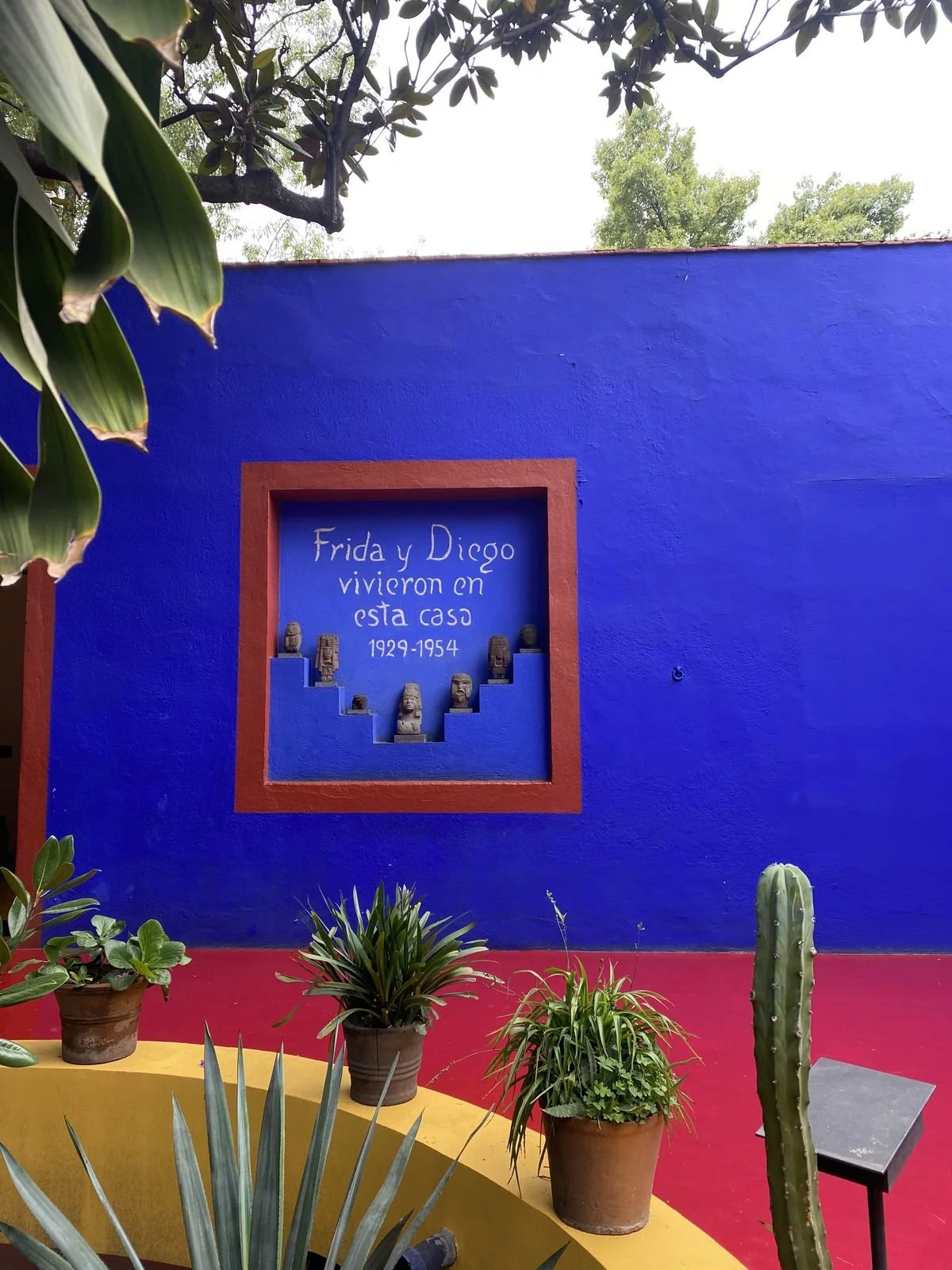
before mexico city became the sprawling metropolis it is today, it was teotihuacán, the heart of the aztec empire.
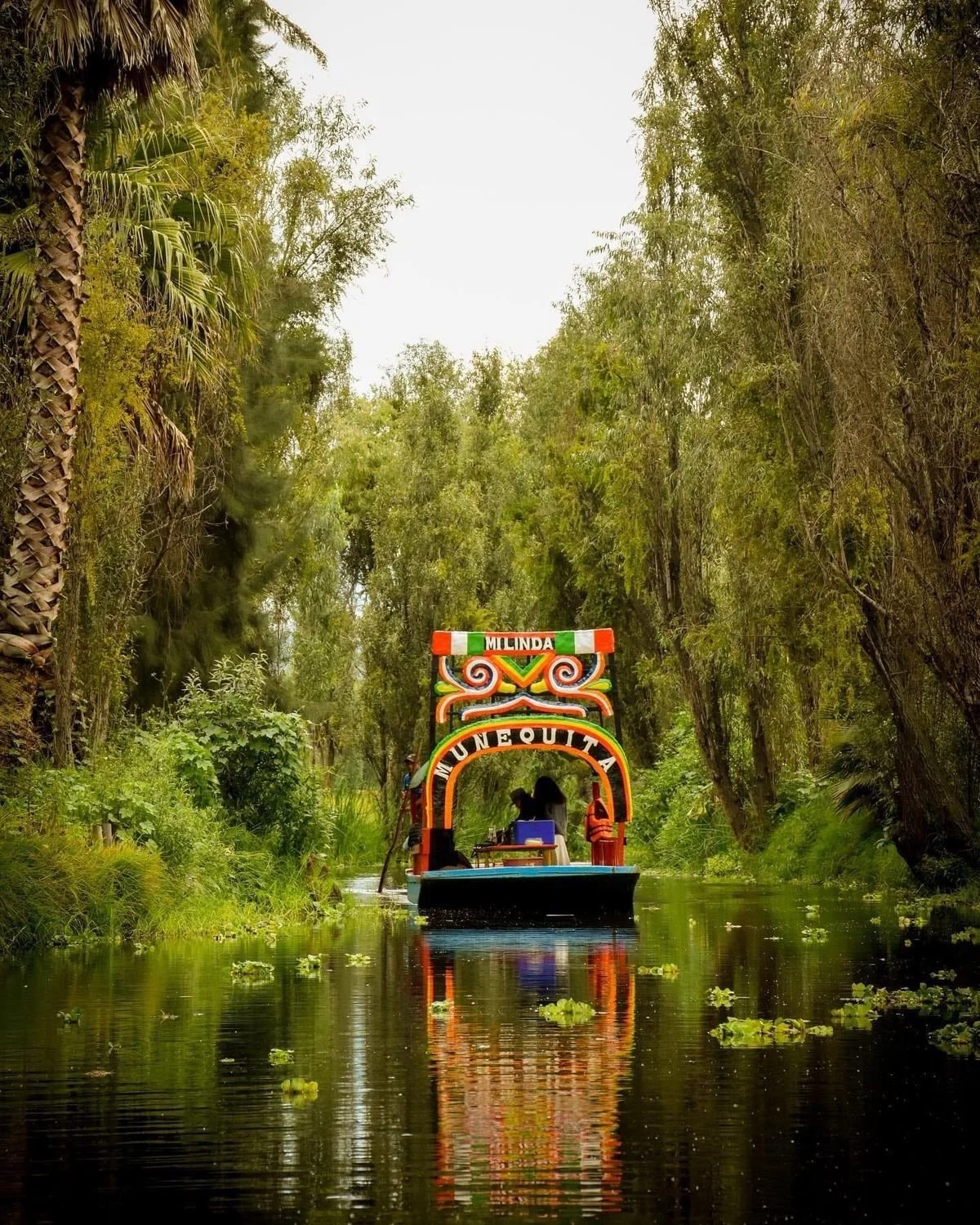
it was built on an island in lake texcoco around 400 BCE. this lake was drained by spaniards, but parts of it still live on in xochimilco, mexico city’s network of canals that the aztec turned into floating gardens called chinampas. we’ll visit this impressive agricultural feat and learn more about this crucial ecosystem from xochimilco’s team of all women farmers.
legend has it the aztec chose this area as their capital because they saw an eagle with a snake in its beak perched on a prickly pear cactus. they understood this as a sign from the gods, and this very symbol is now on mexico’s national flag.
the aztec people created complex canals, flood-control levees, and aqueducts to adapt to their new environment. this city was built by a people determined - though the landscape didn’t make sense, they were very spiritual and trusted in the vision they had seen.
the city eventually comprised 70 neighborhoods and over 200,000 inhabitants, with structures rivaling advanced european cities. spanish conquistadors were in awe of how orderly and beautiful this indigenous city was. though their initial attempts at colonization failed, they eventually succeeded after a 75 day siege and a barrage of european viruses unleashed on the population.
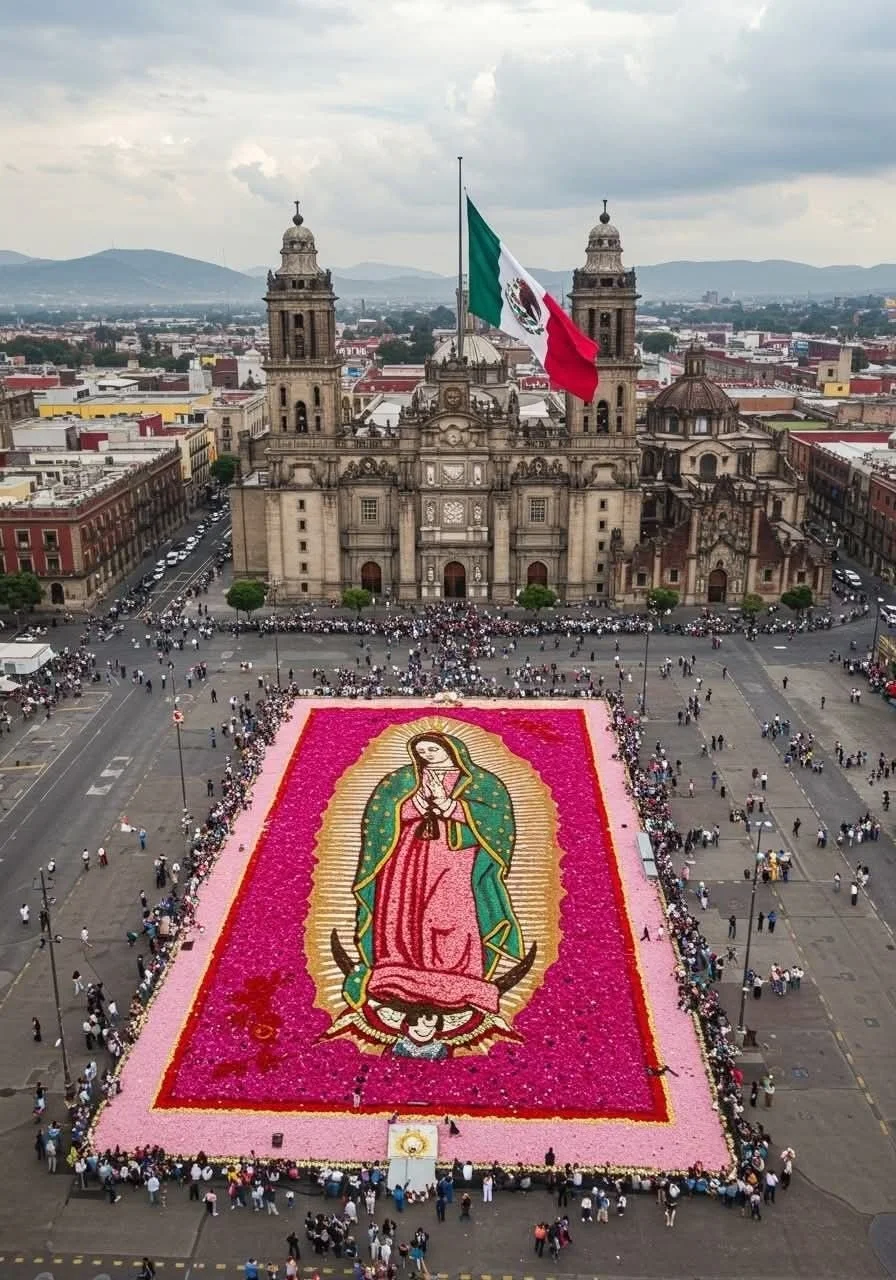
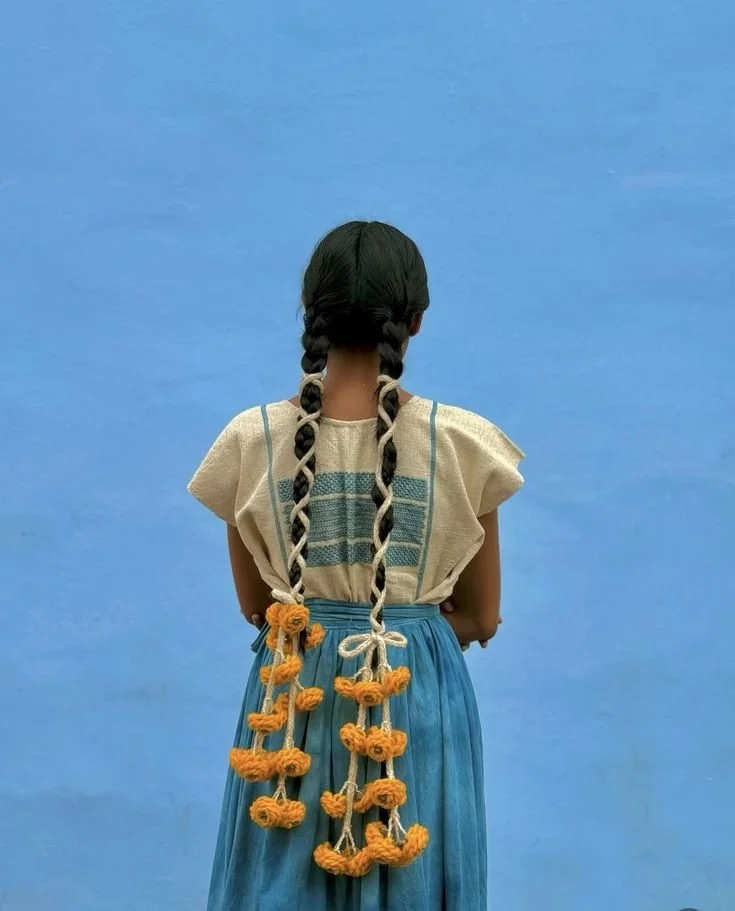
descendants of the aztec are called the nahua and speak nahuatl, the aztec empire’s original language. most live in the outskirts of big cities and are farmers or artisans. interestingly, they identify as roman catholic, but practice syncretism, where they blend their own indigenous beliefs with the religion they were colonized with. la virgen de guadalupe (mother mary), for example, is tonantzin, the aztec mother earth deity representing life and nourishment.
a bit of history
un poquito de español
where? dónde?
ex. Where is the cocktail workshop? dónde está el taller de cócteles?
how? cómo?
ex. how was your taco? cómo estuvo tu taco?
who? quién?
ex. who ordered margaritas? quién pidió margaritas?
what? qué?
what are we eating? qué vamos a comer?
how much? cuánto?
ex. how much is that necklace? cuánto cuesta ese collar?
why? por qué?
ex. Why doesn’t everyone live here? Por qué todo el mundo no vive aquí?
when? cuando?
ex. when are we napping? cuando vamos a tomar una siesta?
-
![]()
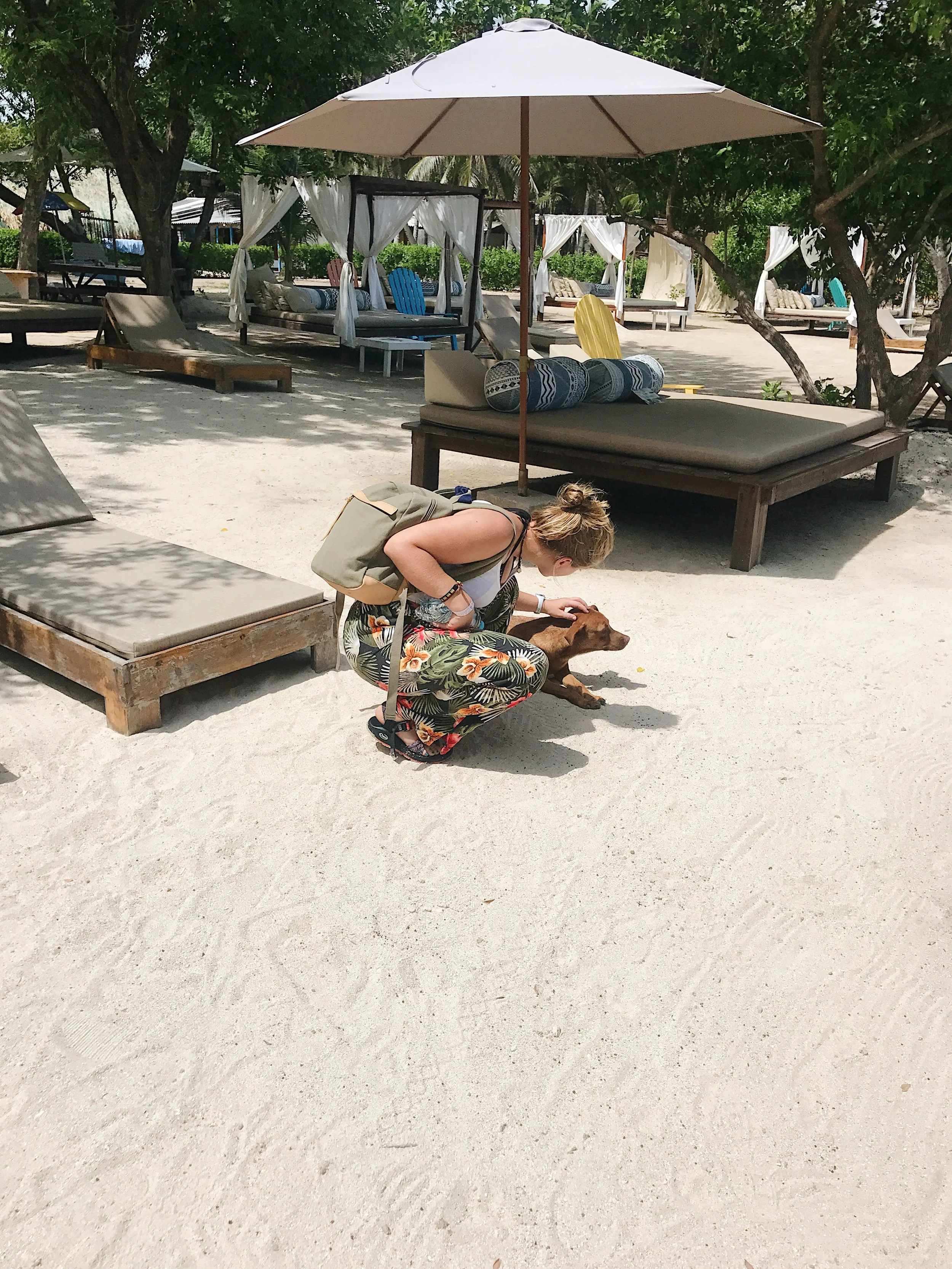
cartagena, 2018
-
![]()
bogotá, 2025
-
![]()
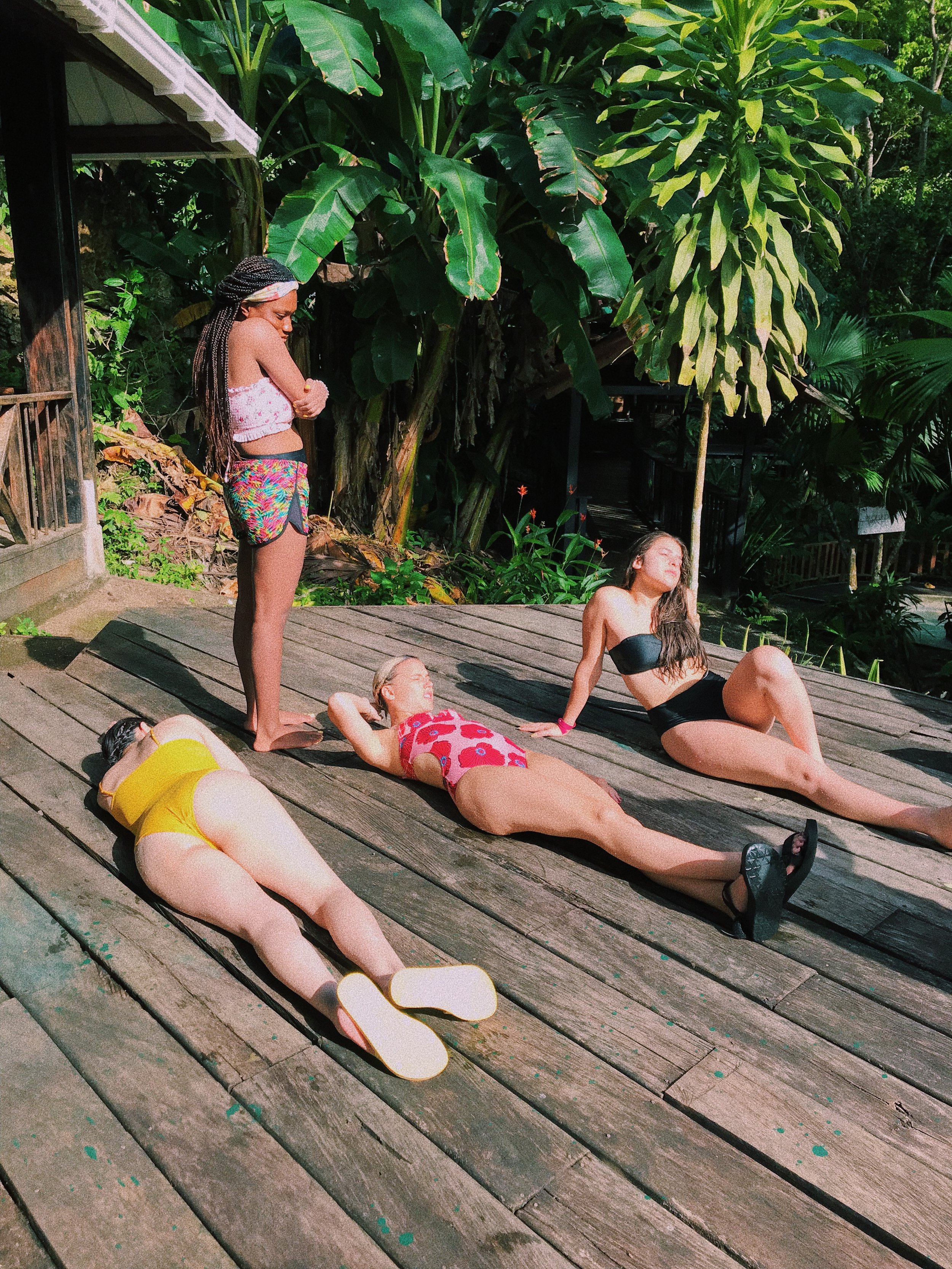
nuquí, 2019
-
![]()
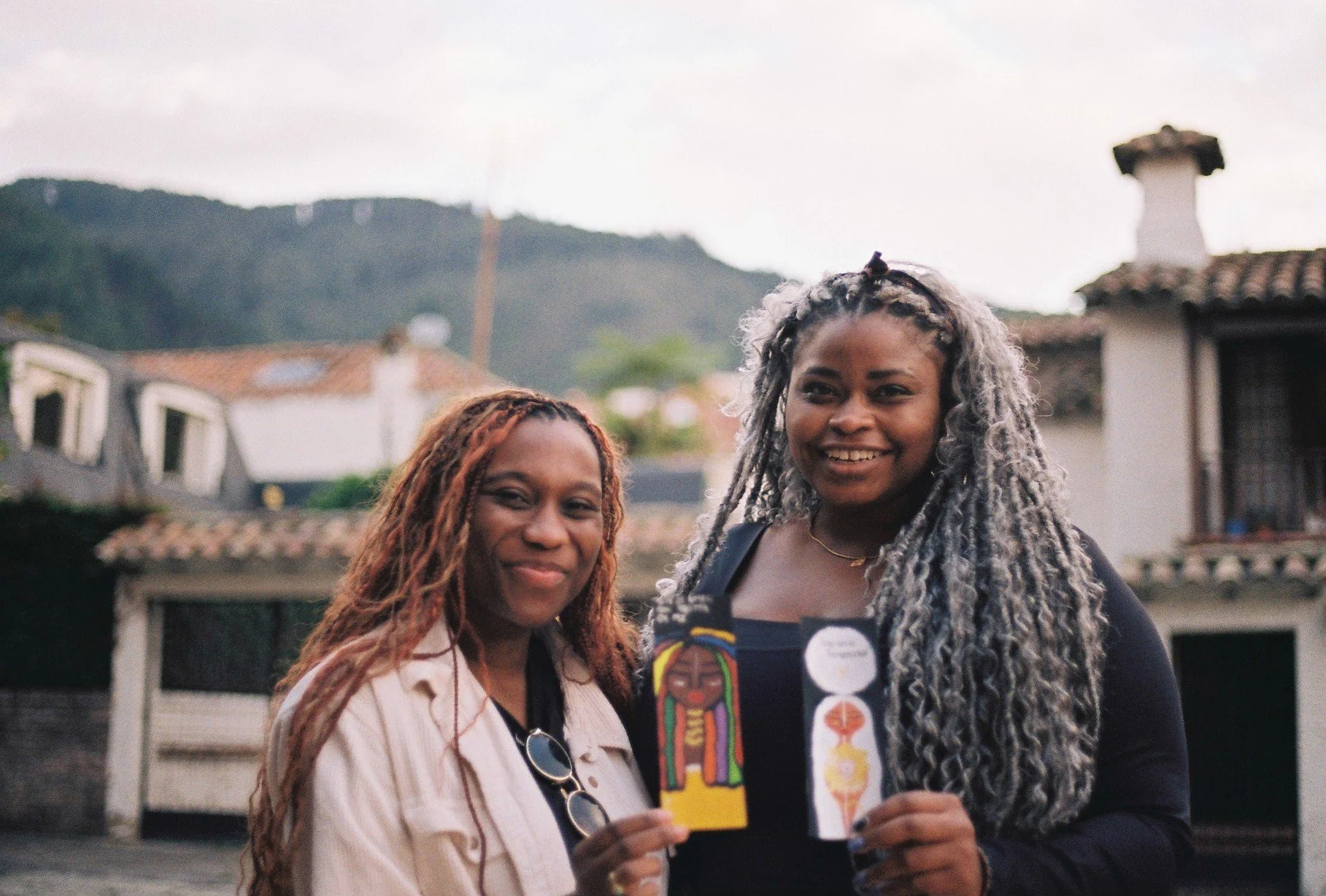
bogotá, 2020
-
![]()
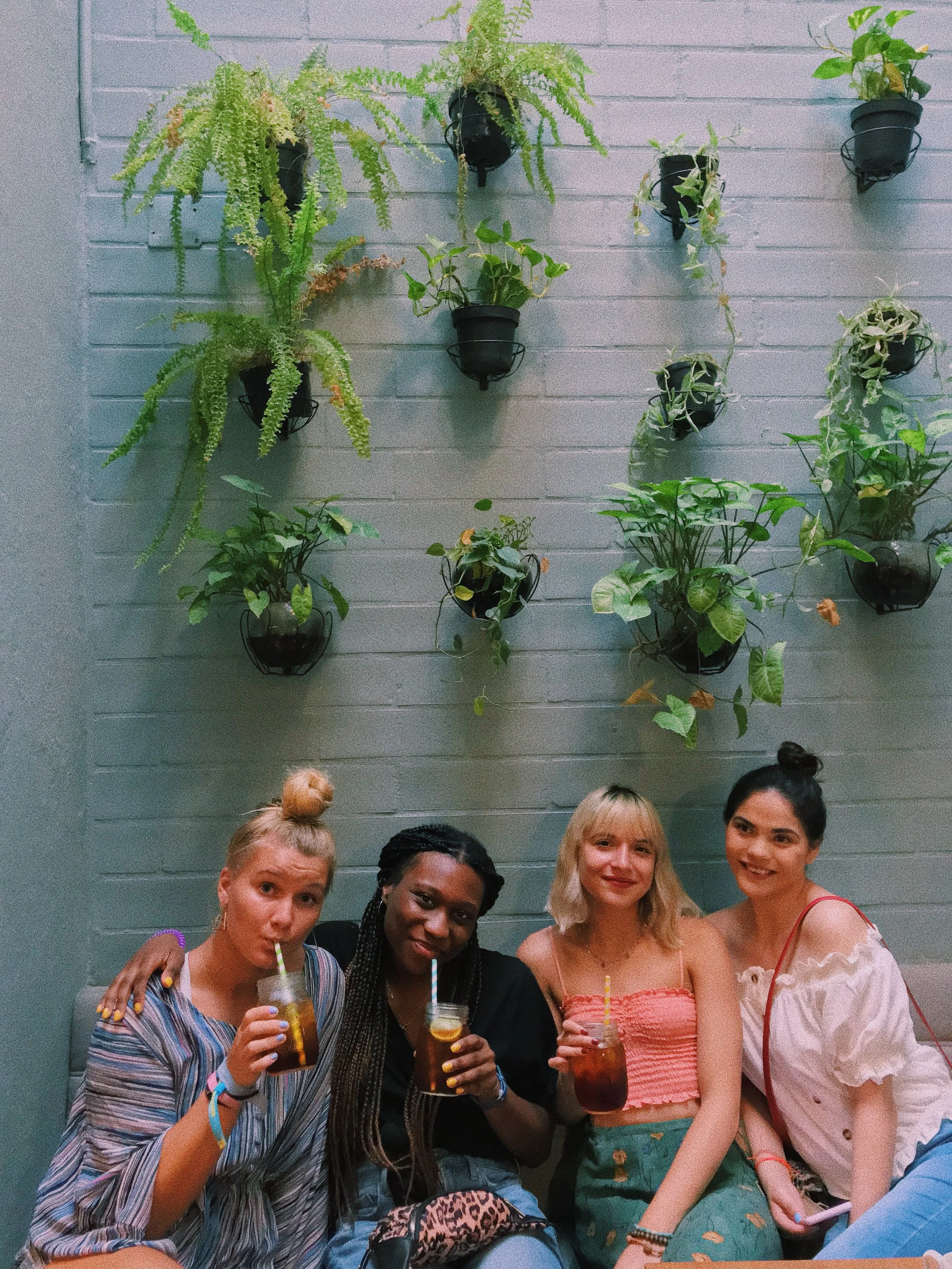
cartagena, 2018
-
![]()
nuquí, 2019
-
![]()
bogotá, 2020
-
![]()
medellín, 2019
-
![]()
bogotá, 2020